

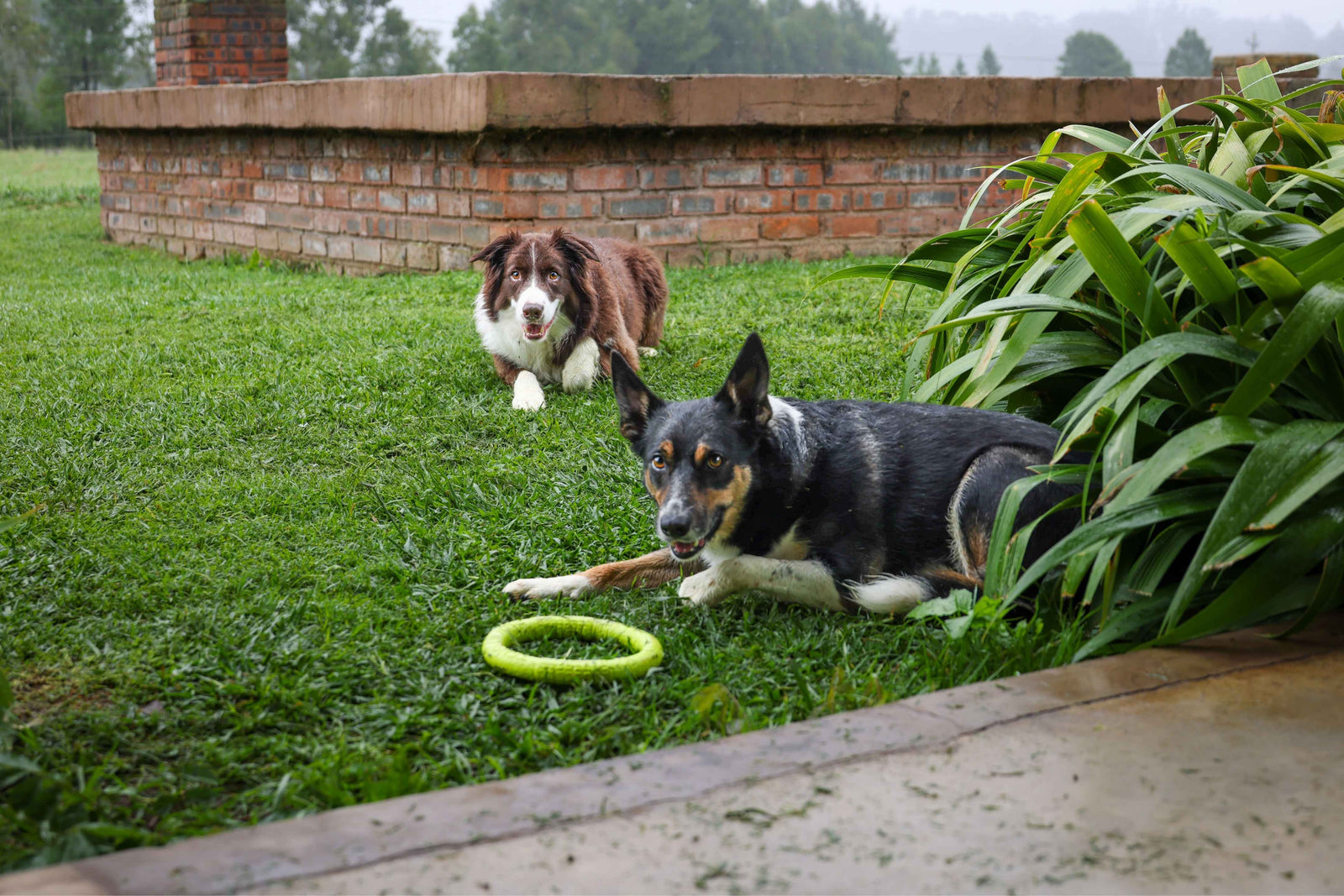

Yes, Dogs should stay protected from fleas and ticks year-round. Flea and tick activity changes with the seasons, but it does not stop neatly when summer ends. Keeping protection continuous is simpler than trying to guess when parasite season starts and finishes.
Fleas and ticks are usually more noticeable during warmer months, so it is easy to think of them as a spring and summer problem.
The reality is less predictable.
Temperature, rainfall, location and the type of tick in your area can all affect parasite activity. A cold winter in one state may look very different from a mild winter in another.
The Companion Animal Parasite Council recommends year-round flea and tick control for dogs because parasite activity varies by season and location, and some exposure can continue throughout the year.
For dog owners, the practical point is simple: there is no single date when flea and tick risk switches off across the United States.
Yes.
Cold weather can reduce flea activity outdoors, but fleas are also very good at living where our dogs live.
A heated home provides a much more comfortable environment than a freezing backyard. If fleas make their way inside, they can survive and reproduce in areas such as carpets, pet bedding and furniture.
Cornell University's College of Veterinary Medicine recommends year-round prevention and specifically notes that fleas can thrive indoors where they are protected from cold outdoor temperatures.
This is one reason waiting until you actually see fleas can create more work.
Once a flea problem becomes established in the home, treating the dog may only be part of getting it under control.
They can be.
Ticks are not all active at exactly the same time of year. Different species respond differently to temperature and local conditions.
Some ticks can remain active at temperatures that many owners would consider fairly cool. Cornell notes that ticks can be active at around 40°F, which is not unusual during winter in many parts of the country.
Some types are actually more active during cooler parts of the year. For example adult black-legged ticks, sometimes called deer ticks, are particularly active and likely to feed on dogs during cooler months.
You do not need to identify every tick species in your area to make a sensible decision about prevention.
The useful takeaway is that the first cold day of fall does not mean tick exposure has ended.
Indoor dogs generally have fewer opportunities to encounter ticks than dogs that spend hours in fields, woods or long grass.
But most dogs are not completely indoors.
They go into the yard. They take walks. They visit parks. They may travel, stay with family or come into contact with other animals.
Fleas can also become established inside the home, so spending most of the day on the couch does not completely remove the risk.
This does not mean indoor dogs face the same level of exposure as hunting dogs or farm dogs. It simply means indoor living is not the same as having no exposure at all.
The difficulty is knowing exactly when to stop and restart.
Imagine you stop protection after the first cold spell in November. Then December is unusually mild. Or spring arrives early and ticks become active before you expected.
Trying to time prevention around the weather means you are constantly making judgment calls about when parasite activity has really ended and when it has started again.
Seasonal or reactive tick control can leave pets exposed because treatment may not begin until ticks are already active.
Keeping protection continuous removes much of that guesswork.
You follow the directions for the treatment you use throughout the year instead of trying to predict what the weather and parasite population will do next month.
For owners in warmer parts of the country, the case for continuous protection is often easier to understand.
Mild winters can allow parasite activity to continue for longer periods, and seasonal changes may be much less dramatic than they are farther north.
But year-round prevention is not only a Southern issue.
Fleas can live indoors in cold climates, and some ticks remain active during cooler weather. Year-round control accounts for these differences in geography, climate and tick activity across the country.
You do not need to watch the weather forecast and decide each month whether your dog still needs protection.
Choose an appropriate flea and tick treatment for your dog's age, weight and health, then follow its directions throughout the year.
Make a note of when the next treatment or replacement is due and keep that routine consistent.
If your dog is very young, pregnant or nursing, has an existing health condition, takes other medications or has previously reacted to a parasite treatment, speak with your veterinarian about the most appropriate option.
The goal is not to treat more often than necessary.
It is simply to avoid unnecessary gaps in protection because the calendar says flea and tick season should be over.
Last reviewed: 25 August 2026
Reviewed by our in-house veterinary team.
This article has been reviewed by the FleaTickWorm Veterinary Team to help ensure it reflects current veterinary knowledge and practical guidance for pet owners. Learn more about our Editorial Policy.


The content provided in this article is for informational purposes only and is not intended as a substitute for professional veterinary advice, diagnosis, or treatment. Always seek the advice of your veterinarian or other qualified pet health provider with any questions you may have regarding your pet's health or medical condition. Never disregard professional veterinary advice or delay in seeking it because of something you have read in this article. The information provided here is based on current veterinary research and best practices, but individual pet health needs may vary. We make every effort to ensure the accuracy of the information, but we cannot guarantee that all content is complete, current, or applicable to your pet's specific circumstances.
